Sunrise RTC provides therapeutic healing and engaging academics to adolescents of all genders, ages 13 - 17, who are bright, curious, and capable and have struggled with deep-rooted emotional issues that have kept them from reaching their full potential. Many of the students who attend Sunrise RTC may have experienced: 🌱 Trauma 🌱 Chemical dependency 🌱 Mental illness 🌱 Depression 🌱 Anxiety 🌱 Low self-esteem.

What makes Sunrise RTC unique is our fully adherent, relational DBT program that creates a supportive, loving environment, giving girls opportunities to practice DBT skills throughout each day. Our evidence-based clinical model is built on extensive data gathering and analysis during treatment and for years after transition, ensuring each student receives the treatment best suited to their needs at that moment from our multidisciplinary team. 

We empower our students to make Real Life Change by creating opportunities for them to participate in the community through: 🏠︎ Service-learning activities 🏠︎ College attendance 🏠︎ Team sports 🏠︎ Art and music 🏠︎ Internships 🏠︎ Recreational experiences.

Using a variety of different types of therapy like DBT, Shame Resilience, Recreational Experiences, Equine Therapy, SMART Recovery, Family Systems Therapy, and Transitioning Home. Our in-town and at-home Transition Programs provide ongoing support to Sunrise students and their families after graduation. At Sunrise, we envision a world where students make peace with their past, thrive in the present, and move boldly into their futures, for a life of emotional health, personal growth, and independence.

⚙️ Sunrise Residential Treatment Center offers fully integrated, adherent Dialectical Behavior Therapy (DBT). Therapists, teachers, and 24/7 residential mentors are all trained to embed DBT skills coaching into daily routines. Sunrise RTC is an outcome-based treatment and recovery program; call us to find out more.

General Information

Participant Age Group(s)

Teens
Young Adults (18 - 30)

Organization's Name

Sunrise Residential Treatment Center

Director of Admissions

Robin Jones

Admissions: Rolling or scheduled?

Rolling admissions

Admissions

Payment Options

Insurance
Call for more information

Does the program have more than one location for this particular program?

Yes

How does the program prevent clients/students/patients from leaving (running) from the program?

Staff Secured

Average Length of Stay

10 months

Maximum Age of Participants

17

Minimum Age of Participants

13

Location of Program

Urban

Gender(s)

Female
Male
Transgender

What is the average number of clients you see per year?

70

Link to weekly or daily schedule

Only accepts participants who are voluntarily enrolling only.

No

Maximum Enrollment

76

Can support 18 yo, if they enroll before 18?

Yes

Certified to accept students with I-20 Visa (SEVIS)

Yes

What are the interview requirements for applicants?

Call for More Information

Religious Affiliation?

No

Billing & Payments

Payment Type

Insurance (see above for specifics on insurance)
Private | Self Pay
Call for more information

Cost per month/workshop/programming (in USD)

18900

What percentage of participants receiving funding from a state Adoption Assistance Programming?

0

What percentage participants who are Court Ordered?

0

What percentage of your participants are 'Private Pay'?

50

What percentage of your participants are funded by the School system? | FAPE / IDEA

25

What percentage of participants are 'State Funded' (example: medicaid)?

0

Insurance

Do your students receive insurance coverage for more than two weeks?

Yes

Do you have an insurance utilization person?

Full time staff member

in-network?

No

Levels of Care

Treatment Categories | Levels of Care

Residential Treatment
Residential Treatment - Adoption
Residential Treatment - Anxiety
Residential Treatment - Behavioral Tech Listed
Residential Treatment - Mental Health
Residential Treatment - Short Term
Residential Treatment - Trauma
Transitional Living

Accreditation

Professional Associations/Affiliations

National Association of Therapeutic Schools & Programs (Professional Member)

For licensed programs, by state or under 18, please select Incidents required to be reported to the state:

Elopement
Major Injury | Death
Restraint
Runaways

Academic Accreditation

Cognia Accreditation

Ownership

Ownership Type

Private Company

Name of Parent Company

Embark Behavioral Health

Facility Operations | Type of Land

Leased By Program

How long is the lease?

10 Years

Additional Professionals & Medical Rule Outs

Are there medical rule outs

Yes

Possible medical rule outs

Active Psychosis
< Min BMI
Need for Detox?
Pregnancy
Call For more information

Minimum IQ

85

Is there a minimum BMI

Yes

Can program accept insulin-dependent diabetics

No

Are there additional professionals?

Advanced Practice Master Nurse
Neurofeedback Specialist
Nurse Practitioner
Occupational Therapist
Psychiatrist
Registered Dietician
Registered Nurse
Other

Additional types of therapies

Occupational Therapy

Percentage of clients on meds at enrollment

> 50%

Psychiatrist

Contracted psychiatrist as needed

Clinical Operations

Percentage of full time therapists who have a private practice outside of organization?

< 50%

What is the largest caseload a therapist can have?

< 8

Percentage of licensed therapists?

All therapists are licensed by the state of operation

Treatment Modalities

Types of Therapy Offered

12 Steps Groups
Animal-Assisted Therapy
Cognitive Analytic Therapy (CAT)
Cognitive Behavioral Therapy (CBT)
Dialectical Behavioral Therapy (DBT)
Dialectical Behavior Therapy (DBT) Skills
Equine Assisted or Therapeutic Horse Back
Exposure Response Prevention Therapy (ERP , type of CBT)
Expressive Art Therapy
Eye Movement & Desensitization and Reprocessing
Motivational Enhancement Therapy
Narrative Therapy
Neuro Feedback
Occupational Therapy
Play Therapy
Psychodynamic Therapy
Psycho educational
Rational Emotive Behavior Therapy (REBT) (pioneer to CBT)
Recreation Therapy
Sand Therapy
Telephone Therapy

Integrated Wellness Support offered

Breathing Techniques/Breath Work
Meditation
Yoga
Other

Does the program have a level/phase system?

Yes

If yes, are phases/levels are they tied to privileges?

Yes

Does program have a milieu-driven residential model? (Staff are trained in model)

Yes

If yes -- select all that apply

DBT Certified Program (Staff + Therapists)
Cognitive Behavioral Therapy
Positive Peer Culture (PPC)
Other

Integrated Wellness

Art
Breathing Techniques/Breath Work
Meditation
Yoga

Does program use time out rooms?

No

Family Involvement

Family Involvement

HIGH: Family Expected on weekly calls (or more) & to attend all family workshops (weekly , monthly or quarterly)

Family involvement

HIGH: Family Expected on weekly calls (or more) & to attend all family workshops (weekly , monthly or quarterly)

What is the typical amount of time a family should expect before hearing about an major incident?

1

Type of Family Therapy/Work Offered

1 hour max call with therapist per week
Family Handbook
Family Workshops Available
Flexible length of call with therapist per week
Parents Visit as Needed

Therapy - Group

Is there group therapy?

Yes

Average number of hours per week facilitated by licensed therapist

6

Average number of hours per week of group processing? (i.e. run by staff, interns, grad students, etc.)

7

Average number of formal family therapy hours per week (not social calls to teen)

1

Is video conferencing accessible for family therapy?

Yes

Therapy - Individual

Is there individual therapy?

Yes

Number of individual therapy hours student receives on a difficult week?

2

Number of individual therapy hours student receives on typical week?

1

Percentage of licensed therapists?

All therapists are licensed by the state of operation

Therapist average case load

6

Percentage of full time therapists who have a private practice outside a program?

Not Applicable

Does the Clinical Director carry a case load?

Yes

Staff

What percentage of the line staff are full time employees?

< 50%

Line staff to student ratio during awake hours

4

Does program run background checks on all staff?

Yes

Is there an educational requirement for staff?

Yes

If Yes, what is it?

High School Diploma

Average number of hours staff are trained before their first shift

32

Are night staff awake or asleep

Awake

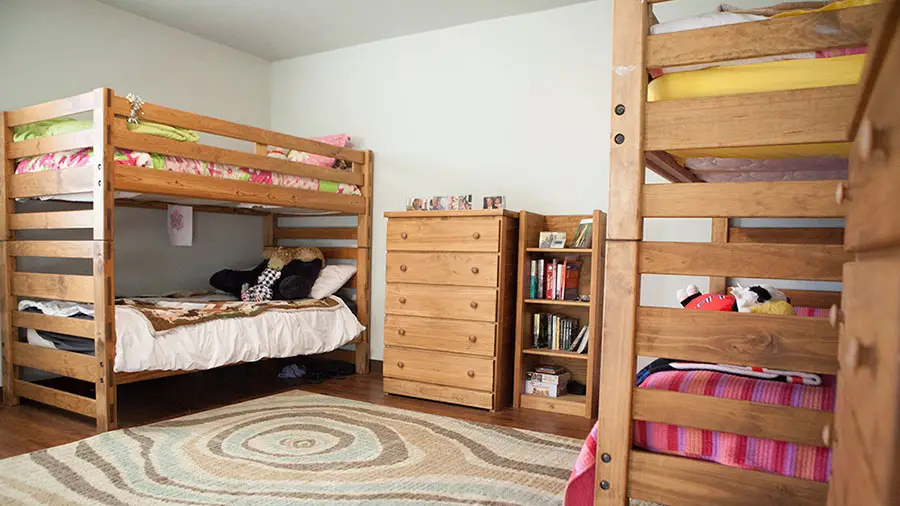
Programming

Dorm/Housing

Doubles
Triples
Quads

Neurodiverse Specialties

ADHD/ADD
Autism Spectrum Disorders
Clinically Complex (possible behavior, genetic, students "who are puzzles")
Mood Deregulation &/or Anxiety
Non-Verbal Learning Disabilities (NLD)
Post Traumatic Stress Disorder (PTSD)

Type of Programming Offered for Neurodiverse Students

Clinically-driven programming (addresses individual life, living, social and academic needs)

Academics

School Name (if applicable)

Sunrise Academics

Type of Academic Calendar

Year Round School (either quarters, trimester, semesters)

Grades Served

K-12
Possible Community College/College

Can programming support a student to complete a GED?

Yes

Post high school options offered

Other

Average student to teacher ratio

10

What does the Teaching/Classroom look like?

Traditional teacher-led class
Teachers support blended learning

Is the program able to implement IEP's

Yes

Can provider handle a student who is more than two grade level's behind in reading?

Yes

Can program support a student who wants vocational training?

Yes

Does the school have AP Classes or the ability to give or take a student to the AP Test?

Tests
Classes

Does the academic program have the ability to provide ACT or SAT Tutoring (on or off site)?

Yes

Transitions

Do you offer transition services for participants/students?

Yes

If Yes, select all options that apply to your program

Formal Transition To Another Therapist
Individual Therapist Goes Home With Student To Facilitate
Family Or Student Coaching Support For Certain Amount
Other

Are there additional fees that apply to transitional options?

Yes

Percentage of families that participate in various transition programming?

> 50%

Assessments

Does the client receive a neuropsychological evaluation?

Other

What percentage of participants receive psychological evaluations?

> 50%

Who completes the psychological evaluation?

Multidisciplinary Team

Does program receive a fee for evaluation or referral?

No

Technology

Computer Access

Hardwired Computers
Other
Call for more information

Cell Phones

Earned Privilege

Research

Percentage of clients who return home, or to a more traditional setting (like transitions to college or gap year, boarding school, etc.)

> 50%

Has the program previously been part of an evidence-based study?

Yes
Call for more information

Is the program presently part of an evidence-based study?

Yes

Link to the study that the organization is part of

Internal & NATSAP Outcome Studies

Workshops

If you have workshops choose all that apply.

Family | Group
Individualized | Custom
Trauma-Focused
Call for more information

If you have a workshop, where is it located?

Address Listed Above