

From Residential Treatment to a Gap Year: Finding the Right Fit for A Young Adult
The young adult treatment landscape has changed and is changing, and not in ways that make it easier to navigate. Emerging adults are arriving at treatment older, with more complex histories, and the options available to them have multiplied in ways that can feel overwhelming rather than helpful. What was once a relatively short list of program types has grown into a nuanced spectrum of care, each with its own staffing model, clinical philosophy, and target population. For families trying to figure out what their son or daughter actually needs, the sheer volume of choices can make an already hard situation feel impossible.
This blog is meant to cut through some of that noise. All Kinds of Therapy has organized young adult mental health and dual-diagnosis treatment options into six categories — grouped primarily by how therapy and psychiatric support are structured and delivered. The goal isn't to be exhaustive; it's to give families and professionals a working framework to start from. There will always be programs that don't fit neatly into any one bucket, but having a map — even an imperfect one — is better than wandering.
A note to the reader: This blog focuses on residential treatment levels after a short-term hospital stay. This does not cover Intensive Outpatient (IOP) or Partial Hospitalization Programs (PHP) — though many residential programs in this directory offer those levels of care.
1. Young Adult (18+) Residential Treatment/Community Integration:
Residential Treatment/Community Integration highest level of care and should have a psychiatrist on staff and part of the treatment team to treat mood disorders. Much like teen RTC, the staff is highly trained in a particular treatment model, programs may have round-the-clock nursing, and clients may have co-occurring disorders or a severe mental illness* that may have been masked by substance use. Once the recovery process begins, the presenting issue evolves into a mental illness or the trauma history, and the recovery piece is part of the equation. Young adults who need this level of care might have entered residential treatment from a hospital, treatment failure at a lower level of care, or wilderness therapy settings. There could be formal assessments at this level of care. Additionally, level of care could include Community Integration, where again, treatment failure in other settings has occurred, and the young adult needs 40+ hours of support, in an apartment setting.
Possible options ~ Bridge House ~ Windhorse (CA, OR, MA) ~ Ellenhorn ~ YellowBrick ~ JFlowers ~ Skyland Trail ~ Balance House ~ Clearview Communities
Questions to ask if you are looking for a young adult residential treatment program:
- Was this level of care recommended for a short-term hospital stay for stabilization?
- Has the young adult had multiple short-term hospital stays?
- Is a clinician recommending the level of placement?
- What behaviors does the client want to address?
- Is there a specific evidence-based treatment component to address the patient's clinical needs (DBT, CBT, etc.)?
- Has a lower level of care already been unsuccessful? (If so, how does this program address earlier clinical concerns and gaps?)
- Are clients allowed to come and go as they please? What is the structure? Do they list them on their website's Ethics Page? There are many shady treatment facilities that engage in patient brokering.
- Is the treatment program capable/prepared to treat a mood disorder diagnosis?
- What standards/accreditation is the residential treatment center following? Some states license these programs, and others do not. Are they Joint Commission Accredited or CARF Accredited? <This is where it gets REALLY confusing, so if a state does not license, then be sure that there is an independent accrediting body.>
- If the treatment program is covered by your insurance policy, what does the treatment center have to do for that?
2. Integrated Therapy with Residential Housing:
Similar to the RTC level 24/7 staffing, the client needs a treatment setting that is more contained to build success, an integrated community in terms of housing and managed peer dynamics, licensed therapists are part of the treatment team, consulting psychiatrists are also on the treatment team, and more individual support is available/provided on a daily basis. Staff-to-student ratios are high. This level of care can taper off as the young adult moves through the treatment program. Emerging Adults at this level may have started treatment in another setting, such as a Wilderness Therapy program, short-term hospital, or intensive outpatient program (IOP), and their improvements are such that they do not need the psychiatric care or 24/7 nursing staff but need a place where they can begin to practice and struggle safely and are looking to succeed with an intentional community/relationship-based treatment with licensed clinicians onsite.
Possible Options: The Mental Health Collective ~ Ocean Recovery ~ Confluence
Questions to think about if you are entertaining an integrated therapeutic program with residential support:
- Does the client need more support initially to build skills and resilience, and to reduce behaviors?
- Does the young adult buy into the idea of a longer-term approach to treatment?
3. Outpatient Model | Transitional Young Adult with Housing:
A key distinction between Residential Treatment (RTC) and Transitional programming is that licensed therapy happens outside the community's living space. Members live independently — in their own apartments, chosen based on personal preferences and available resources — rather than in program housing. Supervision exists, but it is less structured and more oriented toward real-life accountability than clinical oversight.
These transitional living programs are generally built around a specific set of goals: adjusting to independent living, building life skills, entering the workforce, or re-engaging with academic life. The broader community plays a meaningful, but less central, role in daily structure.
Questions to ask if your emerging adult would be successful in a transitional young adult program with outpatient therapy:
- Can the family handle if the emerging adult is struggling and allow the struggle to occur? (In other words, is the direct family able to allow the young adult and the program to manage logical consequences of impulsive or unfortunate decisions, without interfering directly with learning?)
- What is the worst behavior the client has exhibited? What if that happened again?
- Does the program allow direct community involvement? Does the program require Service in the community?
- Does the client have a history of substance abuse? If so, what is the model for dealing with relapse, maintaining a Recovery milieu, or harm reduction?
Possible Options: The Grounds
4. Mentoring Support | Apartment Living:
Perhaps the young adults have already made significant gains in treatment, have little to no dangerous behaviors or psychiatric needs, and are looking to develop a skill, go to college, and primarily need mentoring rather than the processing groups/individual therapy needs that other levels provide. The goals of these Mentoring programs are to integrate previously sheltered clients into the city, assist them in developing professional or vocational skills, and support their independent academic development. Clients who are successful in these options are internally motivated to connect with their mentors and other external support options; they have an intrinsic desire for community integration, and are long-term capable of independent living.
Possible Options: Onward Transitions ~ Beacon Transitions ~ Black Pines
Questions to think about for a mentoring support are the correct level of care:
- Has the young adult been to a previous treatment program and found success?
- What experience does the client show, regarding previous behaviors that would prevent success?
- Does the young adult want to explore life in a city or a suburban area?
- Does the young adult want to experience a coaching model in a community?
- Does the young adult need assistance with learning disabilities as he/she moves forward?
- What is the young adult’s level of motivation?
- Does the young adult need gender specific programming? If so, how does the treatment program provide this?
- If an 18+ year-old wants this type of option but is not ready, is the program structured to evolve through this treatment stage?
- Is the young adult able to take their medication without prompting or oversight?
Note: Several higher-level residential treatment programs offer this level of support for their clients to transition into & the services are sometimes tied to insurance billing, too. Do your homework on options!
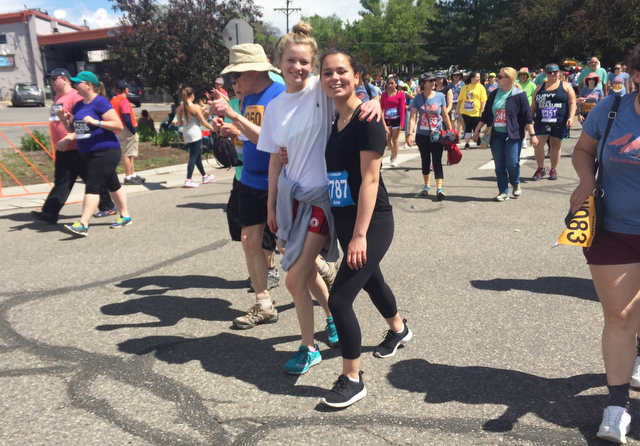
5. Gap Year with Supports, Collegiate Experience:
These options are not treatment options, instead these programs focus on mentoring, defining goals and assisting the young adult to obtain the goals. This option may have clients on meds who only need med checks. If a client has a therapist, it can be a licensed clinician in the community who may or may not have regular communication with the program, but is not a formal part of a treatment team. A few of these clients may have a therapist in the community. The program/client focus is on assistance with goal creation, goal execution, community social skills, academic matriculation, and more support than a traditional college can provide (even with a learning disability support program), because the community is a huge part of the student’s social life.
Questions to think about for a Gap Year with Support:
-
Does the high school graduate (college postponed) want to be in a community of peers?
-
Is there a question that an 18+ year-old can answer successfully outside the home without the structure of high school and family?
-
Does the 18+ year old need assistance with integrating into a larger community because of an Autism Spectrum Diagnosis?
-
Does the 18+ year old have a history of learning disabilities that have delayed emotional development?
-
Would this high school graduate benefit from a year of finding success and learning to set and execute goals in a supportive environment?
-
Will the student benefit from the level of support that includes (literal and metaphorical) knocking on a dorm or apartment door to ensure engagement, progress, and success? (Insider Tip: Even the most supportive LD college does not offer this level of service.)
-
If substance abuse and recovery are relevant issues, what structures are already in place to help create success?
6. Gap Year with International Travel/Community Service
Number 6 requires a participant with more independent motivation and drive, tremendous flexibility and patience, along with historical and social curiosity, and is vastly different from a Gap Year with Supports/Collegiate Experience. I was recently told that the rate at which international GAP Programs have sent students home prematurely ranges from 33% to 40%. The main difference is travel, and international travel on top of that requires a level of daily functioning, self-control, and self-awareness that not all high school graduates are ready for.
What are some reasons participants are being sent home from International Gap Year programming in such high numbers?
- Rule infractions
- Not having the mental grit needed to handle the novelty of a new culture or social conflict
- Refusal to attend programming or participate in programming
- Being on medications for mental illness that were not disclosed or asked about during admissions
- Clients do not have the recovery skills to support their personal needs
- Little to no screening of all of the above during the application/admissions process
- This is a deadline-driven process vs. the previous 4 levels of treatment/mentoring, which have rolling admissions
Buyer beware!
Parents are on the hook for paying the full tuition for a Gap Year. As a consumer of a Gap year option, be sure to fully understand and question the contracts, student engagement requirements, and policies regarding breaches of expectations. Do not entertain gap year options if you question the 18+ year old’s ability to manage any meds, an understanding of what he needs for success, or if he or she struggled to finish high school or make it to school on time.
This blog was read and reread by many program directors, owners at all levels, therapeutic consultants, and professionals with experience across all levels of care. I would like to thank all of them all for taking the time.
And to the young adult reading this, your 20s may be harder than your teenage years. There is no hurry to get through these steps; trust me, it is just work, loans, and your family raising the bar for their expectations of you. Take your time, find your path, and your recovery.
Updated blog: April 2026 to reflect new levels of care, fix grammar, and provide updated research.