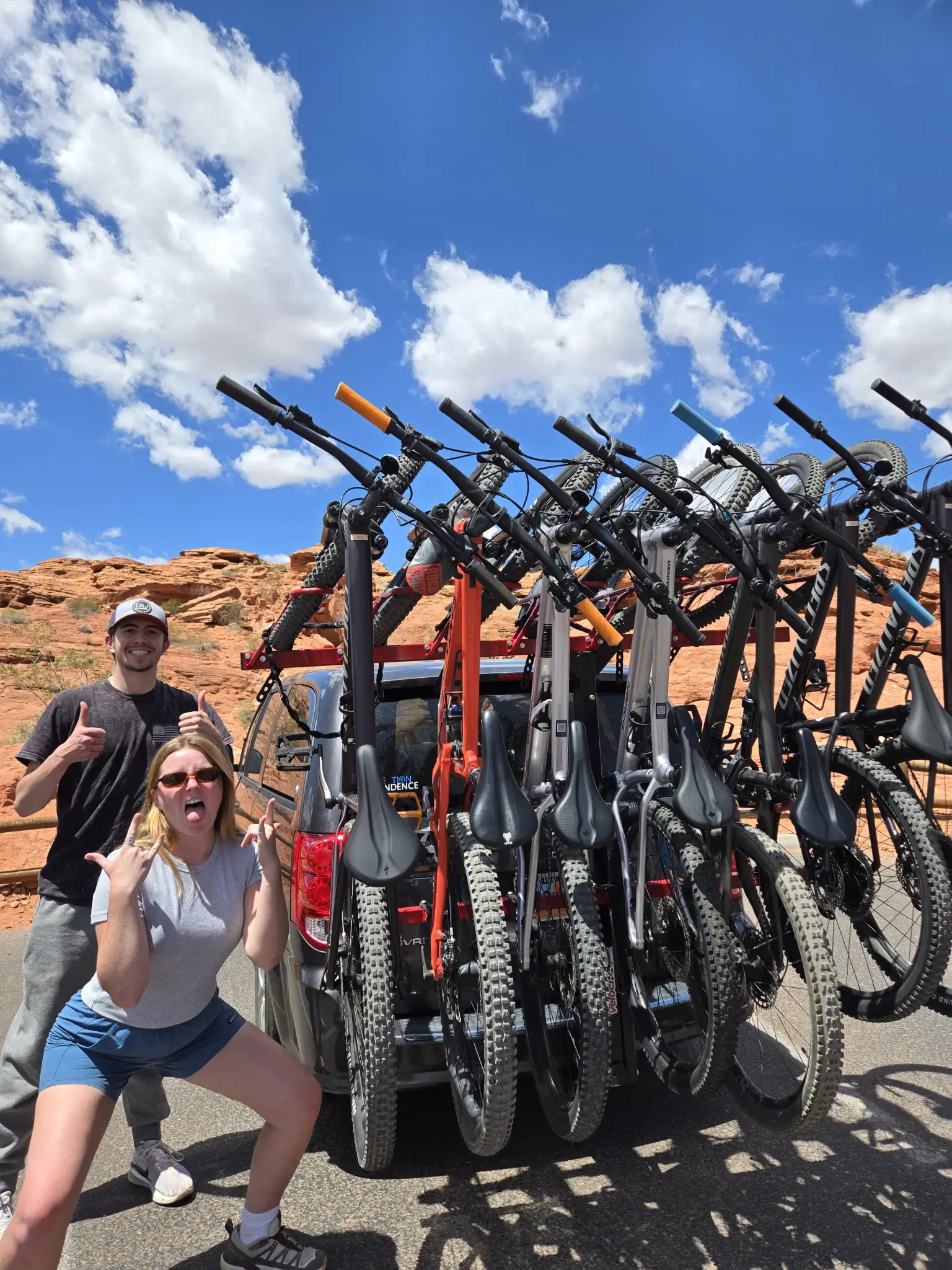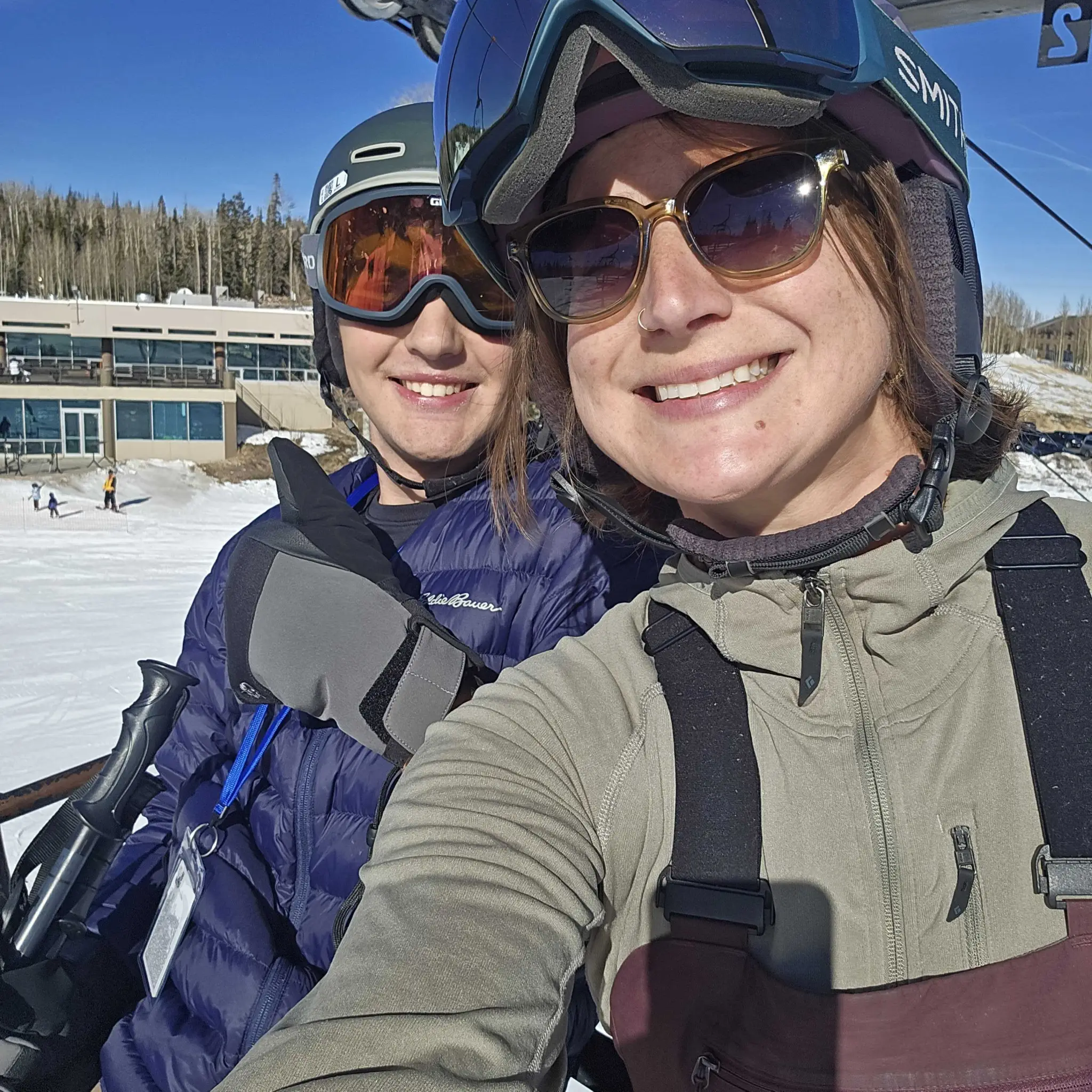
Engage Young Adult Transitions is a sophisticated therapeutic community located just steps away from Southern Utah University in Cedar City, Utah, and minutes from the surrounding mountains. Engage offers comprehensive clinical care and therapeutic support for young adults whose mental health challenges are limiting their independence.

Our team consists of experienced therapists, case managers, certified life coaches, a psychiatric nurse practitioner, a registered nurse, and a nutritionist, all working together to provide a customized approach to treatment. We are dedicated to empowering young adults to build the skills they need to navigate life's challenges, create healthier relationships, and move forward with confidence and independence.

Engage’s clinical approach is rooted in attachment principles and focuses on supporting young adults in overcoming mental health struggles that limit their independence. Our comprehensive team fosters deeper connections and provides consistent, customized clinical support that facilitates emotional growth and development.

Cedar City, UT, offers an ideal setting for young adults to find a sense of security while exploring new opportunities. As a vibrant college town, it provides a lively environment with access to Southern Utah University’s campus and activities, making it a great location for young adults to connect with their peers. Each young adult has a private bedroom and bathroom in shared living spaces near the university, allowing easy access to a young and active community.

General Information

Participant Age Group(s)

Young Adults (18 - 30)

Organization's Name

Engage Young Adult Transitions

Year Founded

2022

Director of Admissions

Jack Hinman, Psy.D.

Admissions: Rolling or scheduled?

Rolling admissions

Admissions

Which age groups does your organization accept?

Young Adults

Professional Associations/Affiliations

Young Adult Transition Association (YATA)

Payment Options

Insurance
Private Pay | Out-of-pocket

Does the program have more than one location for this particular program?

No

How does the program prevent clients/students/patients from leaving (running) from the program?

Call for more information

Average Length of Stay

9 months

Maximum Age of Participants

29

Minimum Age of Participants

17

Location of Program

Urban

Gender(s)

Female
Male
Transgender

What is the average number of clients you see per year?

28

Link to weekly or daily schedule

Religious Affiliation

No

Minimum length of stay

150 days

Only accepts participants who are voluntarily enrolling only.

Yes

Maximum Enrollment

25

Can support 18 yo, if they enroll before 18?

Yes

Certified to accept students with I-20 Visa (SEVIS)

Call For More Information

What are the interview requirements for applicants?

No Required Interview in Person

Religious Affiliation?

Yes

Please specify the type of religious affiliation

None

Billing & Payments

Payment Type

Insurance (see above for specifics on insurance)
Private | Self Pay
Breakout Billing For Insurance | ‘Superbill’

Cost per month/workshop/programming (in USD)

13950

What percentage of participants receiving funding from a state Adoption Assistance Programming?

0

What percentage participants who are Court Ordered?

0

What percentage of your participants are 'Private Pay'?

75

What percentage of your participants are funded by the School system? | FAPE / IDEA

0

What percentage of participants are 'State Funded' (example: medicaid)?

0

Is there an enrollment fee/outfitting fee/payment in advance?

No

If applicable, is the last month’s fees due at enrollment?

Yes

Insurance

Do your students receive insurance coverage for more than two weeks?

Yes

Do you have an insurance utilization person?

Full time staff member

in-network?

No

Accepted Insurance Companies

Cigna Dental Hlth of CO Inc
Anthem Blue Cross
UnitedHealthcare (UHC)
Aetna Better Hlth Inc
CareFirst Advantage Inc

Levels of Care

Number of Phases or Levels

≤ 2

Treatment Categories | Levels of Care

Residential Treatment
Residential Treatment - Mental Health
Residential Treatment - Transitional/Step Down
Partial Hospitalization/PHP
Intensive Outpatient/IOP
Transitional Living - Failure to Launch/Emerging Adulthood
Transitional Living - Social Skills/Life Skills/LD/ASD
Transitional Living - Supportive College Environment

Additional levels of care offered by facility

Independent Living | Sober Living | Transitional Living
Intensive Outpatient Treatment Program (IOP)
Partial Hospitalization Program (PHP)

Does your organization have a Gap Year?

Yes

Accreditation

Professional Associations/Affiliations

Young Adult Transition Association (YATA)

For licensed programs, by state or under 18, please select Incidents required to be reported to the state:

Infectious Disease
Major Injury | Death
Runaways

Academic Accreditation

Cognia Accreditation

Ownership

Ownership Type

Private Company - Owners On-Site

Name of Parent Company

The Hope Group

Name of Sister Company

The Hope Group

Facility Operations | Type of Land

Privately Owned
Leased By Program

Who owns the land?

The Hope Group and the Leavitt Group

Other type of land?

None

How long is the lease?

Initial 5 year lease with the option to renew with a longer agreement. Engage also owns our property

Additional Professionals & Medical Rule Outs

Are there medical rule outs

Yes

Possible medical rule outs

Actively Suicidal
Need for Detox?

Minimum IQ

80

Is there a minimum BMI

No

Can program accept insulin-dependent diabetics

Yes

Are there additional professionals?

Nurse Practitioner
Occupational Therapist
Psychiatrist
Psychologist
Registered Dietician
Registered Nurse

Additional types of therapies

Occupational Therapy

Percentage of clients on meds at enrollment

< 50%

Psychiatrist

Contracted psychiatrist as needed

If psychiatrist is available to students, what percentage of students change meds?

< 50%

Clinical Operations

Percentage of full time therapists who have a private practice outside of organization?

< 50%

What is the largest caseload a therapist can have?

< 8

Percentage of licensed therapists?

> 50%

Average number of days/week therapist are with clients?

5

Number of Individual Sessions with Therapist

2

Do clinical assistants work with lead therapists?

No

Do any of the therapists have more than one case load?

No

Treatment Modalities

Is program focused on full recovery? (Recovery-Oriented Systems of Care (ROSC))

No

Types of Therapy Offered

12 Steps Groups
Medication-Assisted Treatment (MAT)
Acceptance and Commitment Therapy
Animal-Assisted Therapy
Cognitive Behavioral Therapy (CBT)
Dialectical Behavioral Therapy (DBT)
Dialectical Behavior Therapy (DBT) Skills
Equine Assisted or Therapeutic Horse Back
Exposure Response Prevention Therapy (ERP , type of CBT)
Eye Movement & Desensitization and Reprocessing
Family Focused Therapy (FFT)
Motivational Interviewing (MI)
Neuro Feedback
Occupational Therapy
Psycho educational
Rational Emotive Behavior Therapy (REBT) (pioneer to CBT)
Recreation Therapy
Telephone Therapy
Other

Integrated Wellness Support offered

Breathing Techniques/Breath Work
Meditation
Yoga

Does the program have a level/phase system?

No

If yes, are phases/levels are they tied to privileges?

No

Does program have a milieu-driven residential model? (Staff are trained in model)

Yes

If yes -- select all that apply

Client Centered/Person Centered Therapy
Cognitive Behavioral Therapy

Integrated Wellness

Breathing Techniques/Breath Work
Meditation
Yoga

Does program use time out rooms?

No

Family Involvement

Family Involvement

MIDDLE: Family can opt in & out of their involvement based off the timing and current issues in treatment

Family involvement

HIGH: Family Expected on weekly calls (or more) & to attend all family workshops (weekly , monthly or quarterly)

What is the typical amount of time a family should expect before hearing about an major incident?

1

Type of Family Therapy/Work Offered

Flexible length of call with therapist per week
Parents Visit as Needed
Other

Therapy - Group

Is there group therapy?

Yes

Average number of hours per week facilitated by licensed therapist

4

Average number of hours per week of group processing? (i.e. run by staff, interns, grad students, etc.)

10

Average number of formal family therapy hours per week (not social calls to teen)

1

Is video conferencing accessible for family therapy?

Yes

Therapy - Individual

Is there individual therapy?

Yes, part of the program cost

Number of individual therapy hours student receives on a difficult week?

3

Number of individual therapy hours student receives on typical week?

1

Percentage of licensed therapists?

> 50%

Therapist average case load

7

Percentage of full time therapists who have a private practice outside a program?

< 50%

Does the Clinical Director carry a case load?

Yes

Staff

What percentage of the line staff are full time employees?

> 50%

Line staff to student ratio during awake hours

5

Does program run background checks on all staff?

Yes

Is there an educational requirement for staff?

Yes

If Yes, what is it?

High School Diploma

Average number of hours staff are trained before their first shift

24

Are night staff awake or asleep

N/A

Programming

Dorm/Housing

Single Rooms with Private Baths

Neurodiverse Specialties

ADHD/ADD
Autism Spectrum Disorders
Clinically Complex (possible behavior, genetic, students "who are puzzles")
Development Delay
Genetic Disorders
Mood Deregulation &/or Anxiety
Non-Verbal Learning Disabilities (NLD)
Post Traumatic Stress Disorder (PTSD)
Primarily DX Learning Disability
Speech & Language Disorders

Type of Programming Offered for Neurodiverse Students

Academic & life skill Focus
Academic focus
Academic, functional living skills, life skills and social skills focused
Clinically-driven programming (addresses individual life, living, social and academic needs)

Academics

School Website (if applicable)

School Name (if applicable)

Southern Utah University & Southwest Technically College

Type of Academic Calendar

Other

Grades Served

K-12
Possible Community College/College

Can programming support a student to complete a GED?

Yes

Post high school options offered

College | University

Average student to teacher ratio

22

What does the Teaching/Classroom look like?

Online school/Classes
Other

Is the program able to implement IEP's

Yes

Can provider handle a student who is more than two grade level's behind in reading?

Yes

Can program support a student who wants vocational training?

Yes

Does the school have AP Classes or the ability to give or take a student to the AP Test?

Tests

Does the academic program have the ability to provide ACT or SAT Tutoring (on or off site)?

Yes

Transitions

Do you offer transition services for participants/students?

Yes

If Yes, select all options that apply to your program

Additional Therapist To Work With Student Or Family As Transition
Transition House Associated With Program
Family Or Student Coaching Support For Certain Amount

Are there additional fees that apply to transitional options?

Yes

Percentage of families that participate in various transition programming?

> 50%

Assessments

Does the client receive a neuropsychological evaluation?

Other

What percentage of participants receive psychological evaluations?

> 50%

Who completes the psychological evaluation?

Neuropsychologist

Does program receive a fee for evaluation or referral?

No

Sober Living Houses

Community Service

Yes

Random Drug Testing

Yes

Transportation Options

Public
Can bring your own Vehicle
Provided by Program

Support Services

Resume / Job Search

House/Community Meetings

Weekly

Are participants required to do chores in the house/community?

Yes

12 Step Meetings on Location

No

Housing Options (+18+)

Integrated: administrative oversight is generally part of a larger addiction or behavioral healthcare treatment program with clinical services, life skills, community design (unlicensed)

Technology

Computer Access

Students have Laptops

Cell Phones

Other

Eating Disorders

If specific eating disorder care provided,

Anorexia
Binge Eating
Bulimia
Eating Disorder & Diabetes
Exercise Addiction (Athletes & Eating Disorders)
Orthorexia

Expert Specifics

Associations

Other

Research

Percentage of clients who return home, or to a more traditional setting (like transitions to college or gap year, boarding school, etc.)

> 50%

Has the program previously been part of an evidence-based study?

Call for more information

Is the program presently part of an evidence-based study?

Yes

Workshops

If you have workshops choose all that apply.

Equine
Individualized | Custom
Trauma-Focused
Process Addiction

Accommodations

On Site

Use of Personal Vehicle

Yes

Use of Electronics

Other